

We care about your privacy
Together with our partners, we store and / or access information on your device, such as unique identifiers in cookies, to process personal data. By clicking below, the user can accept or manage the selection, including the right to object in the event of legitimate interests or at any time on the privacy policy page. These choices will be communicated to our partners and will not affect your browser data.
We and our partners process data to ensure:
Use of accurate geolocation data.
Active scanning of device characteristics for identification purposes.
A selection of personalized content.
A selection of personalized ads.
Create a personalized advertising profile.
Storing or accessing information on the device.
Primary ad selection.
Ad performance measurement.
Applying market research to generate audience feedback.
Product development and improvement.
Personalized advertising and content, advertising and content measurement, audience feedback, product development.
List of partners (suppliers)
Autumn is the time of year when many people notice a larger amount of hair left on their brush, during washing, or on their clothes. This phenomenon can cause concern, but in many cases it is related to natural processes taking place in the body. Every hair goes through a specific life cycle that includes the growth phase, the transition phase, and the resting phase, after which it naturally falls out.
The topic of hair loss in autumn applies to both women and men. This seasonal issue, often referred to as autumn hair loss, can affect both women and men. After the summer period, a larger number of hairs may enter the resting phase at the same time, which is why their loss becomes more noticeable after several weeks. For this reason, many people observe that hair falls out in autumn more intensely than during other months.
The condition of hair is also affected by the summer period. UV radiation, high temperatures, salt water or chlorinated water, as well as frequent styling, can weaken the hair structure. In autumn, the effects of these factors become more visible — hair may become dry, dull, and more prone to damage.
Changes occurring in everyday lifestyle are also important. Shorter days, less sunlight, changes in diet, and dry air in heated rooms can affect the scalp and the appearance of hair. During this period, it is especially important to provide proper hydration and protect hair from excessive dryness.
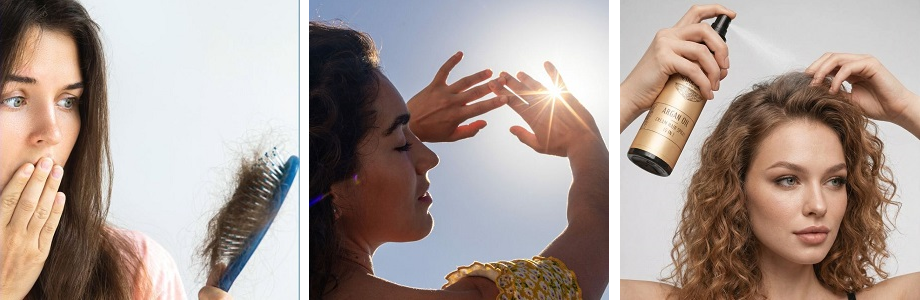
It is also worth remembering that not every increase in the amount of hair left on a brush means actual hair loss. Sometimes the problem is hair breakage caused by weakened hair structure after the summer.
Seasonal autumn hair loss is a common phenomenon and is usually a natural response of the body to the change of seasons. It does not automatically indicate health problems or permanent weakening of hair follicles.
The hair life cycle consists of several stages. During the active growth phase, the hair develops, then enters the transition phase, and later reaches the resting phase. After this stage ends, the hair falls out to make room for a new one. In autumn, a larger number of hairs may be simultaneously at the final stage of this process.
Losing a certain amount of hair every day is a normal process. Concern should arise when hair loss becomes very intense, visible thinning appears, or the problem continues for a long period of time.
Hair condition is influenced by factors such as nutrition, stress levels, hormonal balance, previous illnesses, and daily hair care. Therefore, observing changes and reacting quickly to worrying symptoms is very important.
Many people wonder how long autumn hair loss lasts and when they can expect improvement. The duration of this process is individual and depends on the condition of the hair as well as the overall state of the body.
In most cases, increased hair loss appears at the beginning of autumn and lasts for several weeks. For some people, this process may continue for around two to three months, after which it gradually returns to its natural level.
However, if excessive hair loss continues for many months, it is worth looking for additional causes. Nutritional deficiencies, hormonal disorders, chronic stress, or scalp problems may contribute to worsening the issue.
Although seasonal autumn hair loss is often associated with the change of seasons, many different factors can influence this process. Understanding the connection between autumn and hair loss helps to choose the right care routine and better protect hair during seasonal changes. One of the possible causes may be the natural hair growth cycle.
Diet also plays an important role. Hair needs an adequate amount of protein, iron, zinc, selenium, biotin, and B vitamins. A deficiency of these nutrients can lead to weakened hair structure, increased brittleness, and loss of natural shine.
External factors also affect hair condition. UV radiation, high temperatures, frequent coloring, bleaching, and heat styling can damage the hair structure. In autumn, it is worth paying special attention to hair regeneration and protection.
Reducing excessive hair loss requires a comprehensive approach. Changing cosmetics alone may not be enough, so it is worth taking care of diet, daily hair care, and body regeneration at the same time.
An important part of daily routine is also proper scalp cleansing. Properly selected hair shampoos help remove excess sebum, cosmetic residue, and impurities that can weigh down the hair and affect its appearance.
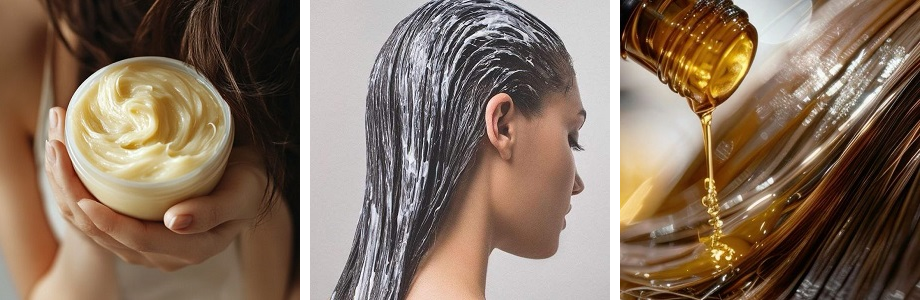
Appropriate actions help improve hair condition, reduce weakness, and create better conditions for proper hair growth.
Healthy hair needs appropriate nutrients, which is why the diet should be varied and well-balanced. Products rich in protein are especially important because protein is the basic building block of hair.
It is worth including fish, eggs, meat, legumes, nuts, vegetables, and whole-grain products in your daily diet. Providing the body with the right amount of vitamins and minerals supports the proper functioning of hair follicles.
Iron helps maintain proper oxygen supply to tissues, zinc supports regeneration processes, and B vitamins contribute to maintaining good condition of the skin and hair. Regular intake of these nutrients can have a positive effect on the appearance of the hairstyle.
Autumn hair care should be adapted to the current needs of the scalp and hair type. During this period, gentle cleansing, proper hydration, and protection against dryness are especially important.
Conscious hair care includes not only choosing the right cosmetics but also proper washing, using conditioners and masks, and limiting factors that may weaken the hair structure.
The scalp is the foundation of healthy hair, which is why its care should not be neglected. Regular cleansing helps remove excess sebum, cosmetic residue, and impurities that can weigh down the hair and affect its appearance.
It is also important to protect the lengths of the hair. Moisturizing conditioners, masks, and products that protect the ends help reduce dryness and improve hair elasticity.
Hair condition is directly connected with the overall condition of the body. Chronic stress, insufficient sleep, and constant fatigue can negatively affect the natural hair growth cycle. During long-term tension, the body uses its resources primarily to maintain the most important functions, which may affect the condition of the scalp and the work of hair follicles.
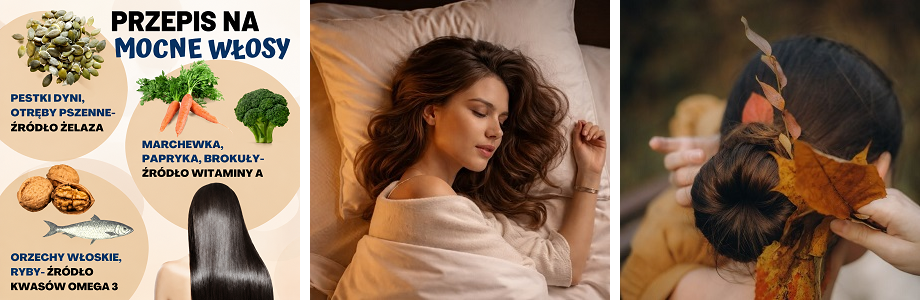
Stressful situations can disrupt the processes responsible for proper hair growth and increase hair vulnerability to weakening and excessive loss. Therefore, during periods of increased strain, it is important to focus not only on external hair care but also on body regeneration.
An adequate amount of sleep plays an important role in renewal processes. During rest, the body regenerates, and the skin and hair receive better conditions to maintain good condition.
It is also worth introducing daily habits that help reduce stress levels, such as moderate physical activity and outdoor walks. A comprehensive approach to body regeneration supports hair health and helps maintain a well-groomed appearance throughout the year.
Seasonal increases in hair loss are usually temporary, but some symptoms require consultation with a specialist. It is worth visiting a dermatologist or trichologist if hair falls out very intensively, visible thinning appears, there are localized bald patches, or the problem continues for several months.
Special attention should be paid to sudden changes, such as a rapid increase in the amount of falling hair, scalp itching, burning, flaking, or the appearance of areas without hair.
A specialist can carefully assess the condition of the scalp, the health of hair follicles, and identify possible causes of the problem. If necessary, they can recommend appropriate tests and individually selected solutions.
Remember that autumn hair loss is often a natural stage associated with seasonal changes. A proper diet, regular hair care, and a timely response to concerning symptoms help maintain strong and healthy-looking hair throughout the year.
© 2010-2026 Tufishop.
 How to use a promotional code
Enter the promotional code in the appropriate field before placing your order.