
BIBLIOTEKA Gels for Nail Modeling, Strengthening and Extensions
BIBLIOTEKA Gel Nail Extensions: Materials for Modeling and Strengthening
BIBLIOTEKA gel polishes are part of the BIBLIOTEKA brand range, but for complete nail modeling, materials responsible for the architecture, strength, and correct shape of the artificial nail are especially important. Gel nail extensions make it possible to adjust the length and shape of the natural nail plate, strengthen weak nails, and create a base for subsequent color coating or nail design.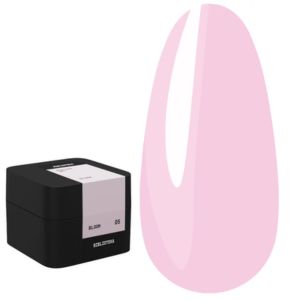
Unlike regular gel polish application, nail extensions involve working with a modeling material. The nail technician forms the free edge, builds the apex, sidewalls, and overall nail architecture, after which the material is polymerized in a UV/LED lamp. Proper gel distribution affects not only the appearance but also the resistance of artificial nails to everyday stress.
Gels with different consistencies, shades, and degrees of hardness are used for modeling. Some materials are convenient for strengthening short natural nails, while others are suitable for creating additional length using forms or tips. Professional nail technicians therefore recommend choosing a product according to the working technique, the initial condition of the nails, and the desired length.
What Materials Are Needed for Gel Nail Extensions
A modeling gel alone is not enough for high-quality nail extensions. It is necessary to prepare a system of compatible materials that ensures proper adhesion, correct architecture, and a neat finish. BIBLIOTEKA nails products can be used for creating professional manicures, taking into account the purpose of each specific product and the manufacturer's recommendations.
The procedure may require:
- a dehydrator to remove excess moisture from the nail plate;
- a primer or another product to improve adhesion;
- a base coat if required by the selected system;
- a modeling or builder gel;
- upper or lower forms for creating length;
- a brush for distributing the material;
- a UV/LED lamp for polymerization;
- files and buffers with different levels of abrasiveness;
- drill bits and an electric nail drill for shape correction;
- a top coat to complete the procedure.
When choosing BIBLIOTEKA gel for nail extensions, pay attention to viscosity. A thicker material flows more slowly and gives the nail technician additional time to build the desired shape. Self-leveling formulas make it easier to achieve a smooth surface quickly, but they require careful control of the amount of material around the cuticle and sidewalls.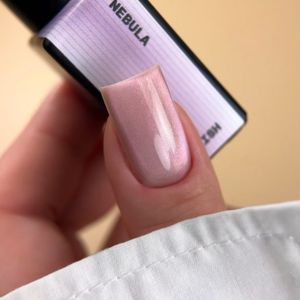
The hardness of the material after polymerization is also important. Long nails require a structure capable of withstanding increased mechanical stress. For slight extensions or strengthening of the natural nail plate, the technician may choose a material with different characteristics, depending on the condition and flexibility of the natural nail.
How BIBLIOTEKA Gel Nail Extensions Are Done
nail modeling gel is applied only after thorough preparation of the natural nail plate. The technician treats the cuticle, removes the pterygium, adjusts the free edge, and gently prepares the nail surface. Dust and excess moisture are then removed before the necessary preparation products are applied.
For classic extensions using lower forms, the template is positioned under the natural nail so that it follows the direction of the future structure. The technician creates the base and required length on the form and then builds the main architecture. Correct positioning of the stress zone and apex is particularly important.
The main stages of the procedure are:
- hygienic preparation of the nails and cuticles;
- preparation of the natural nail surface;
- application of preparation products;
- placement of the form or preparation of the selected modeling system;
- creation of the required length;
- building the architecture and apex;
- polymerization of the material in the lamp;
- filing and shape correction;
- application of color or creation of a nail design;
- finishing the work with a top coat.
Professional nail technicians recommend not trying to compensate for architectural mistakes by applying excessive amounts of material. An overly thick structure looks bulky, while an insufficient amount of gel in the stress zone can reduce the strength of the nail. Proper modeling requires distributing the material according to the length, shape, and load placed on the free edge.
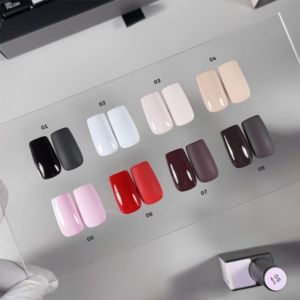
gel nail extensions make it possible to work with different shapes, including square, soft square, oval, almond, and more complex salon shapes. The greater the length, the more important the precision of the structure becomes. For advanced modeling, the technician must take into account the longitudinal and transverse arches, the position of the apex, and the thickness of the free edge.
How to Choose BIBLIOTEKA Gel for Extensions and Corrections
Before purchasing a material, first determine the task it needs to perform. BIBLIOTEKA gel for extensions may be required for full-length extensions of natural nails, repairing individual areas, strengthening, or routine correction of an existing structure. The required material characteristics may vary depending on the procedure.
When choosing a product, consider:
- consistency and self-leveling speed;
- hardness after polymerization;
- suitable maximum extension length;
- degree of transparency or shade coverage;
- specific features of working with upper and lower forms;
- polymerization time in the lamp being used;
- whether a separate base coat is required;
- package size and expected material consumption.
Transparent modeling materials are practical for repairs, creating a transparent free edge, and designs with decorative elements embedded inside the structure. Camouflage shades help visually even out the color of the nail bed and are suitable for natural manicures, French manicures, and nude designs. Milky shades provide a soft finish even without an additional opaque color coating.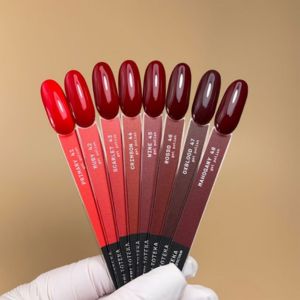
builder gel for nails is especially convenient for nail technicians who need precise control over the architecture of the artificial nail plate. It can be used for strengthening, rebuilding corners, repairing cracks, forming the free edge, and creating the required length. The specific application technique depends on the characteristics of the selected material.
During a correction, the technician assesses the condition of the existing coating, areas of lifting, and the position of the apex after the natural nail has grown out. Any lifted material must be removed, while the architecture should be rebuilt according to the new length of the nail plate. Simply adding gel near the cuticle is not sufficient if the stress zone has already shifted.
BIBLIOTEKA materials can be used as a base for various finishing options. After modeling, the nails can be left in a natural camouflage shade, complemented with a French design, covered with colored gel polish, or decorated with nail art. This allows the technician to use one correctly built structure for a variety of visual styles.
For professional work, it is better to build a material collection according to actual needs: separate products for strengthening short nails, modeling medium and long lengths, repairs, and corrections. This approach makes it easier to choose the appropriate consistency for each procedure, control material consumption, and achieve predictable results after polymerization.